
Women's Home Magazine 2025 with Angela Jones: Saving the Wye
Oct 2, 2025
1 min read
October 2025
“If we haven’t got water, we don’t have life.”
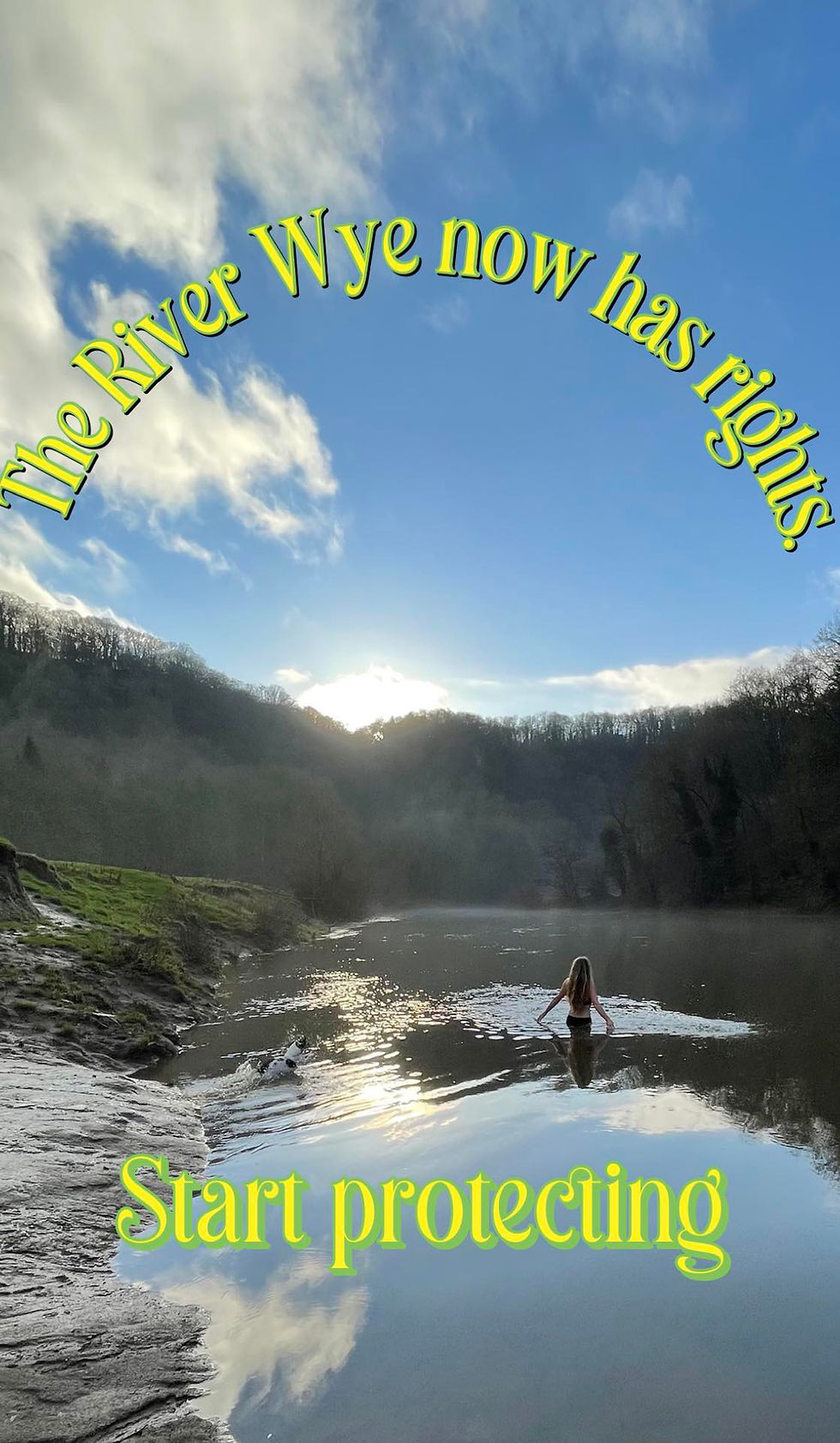
At 58, Angela Jones is more than a wild swim specialist. She’s a mother of two, an environmental campaigner, and the passionate heart behind efforts to save the River Wye.
Living in Monmouthshire, Angela has witnessed her beloved river transform — clear waters clouded by pollution, wildlife struggling to survive. Rather than stand by, she’s testing water, leading campaigns, and inspiring communities to fight for change.
Angela’s mission is simple yet vital: to remind us that rivers are lifelines. Protect them, and we protect ourselves.


It’s really alarming to see how much the River Wye has changed over the years, especially with clear waters turning so clouded by pollution. Angela Jones’ hands-on approach to citizen water testing in Monmouthshire is truly inspiring, as local communities taking action usually makes a huge difference. Reminds me of balancing heavy workloads back in my uni days when I had to seek help with assignment online just to clear up enough free time to volunteer for local community projects. It makes you wonder how much more effective our environmental conservation efforts could be if local councils actually stepped in to back up these grass-roots campaigns properly instead of relying so heavily on everyday folks.
I found the part about raising awareness for the River Wye through the Women’s Home Magazine feature really powerful, especially how personal experiences like wild swimming can connect people more deeply to environmental issues. It made me think about how storytelling can often reach people in ways that raw data alone can’t, even though both are important for understanding the bigger picture. In a different context, it’s a bit like how someone might turn to Data Science Assignment Help UK to interpret complex information and make it more meaningful. Do you think these personal narratives have a bigger impact on motivating change than statistics and reports on their own?